
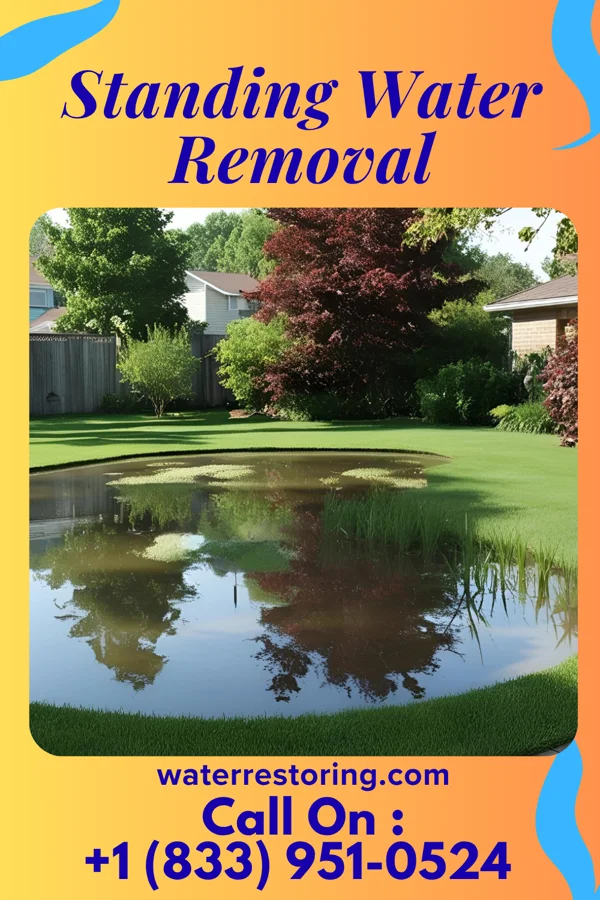
Ground-Water Standing Water in Ridgewood
Water damage in Ridgewood tends to cluster in predictable windows because of the local climate. In Ridgewood, Ohio, the primary cause of water damage often stems from sudden plumbing failures, such as burst pipes or leaking water heaters, especially during colder months when frozen pipes are more common. Additionally, heavy rainfall in the surrounding areas, like Golf Manor and Amberley, can lead to localized flooding in lower-lying parts of the city. A close second is Secondary causes include faulty appliances like washing machines and dishwashers, as well as roof leaks from aging or improperly maintained structures. In rural areas like Silverton, agricultural runoff and drainage issues can also contribute to water infiltration in homes..
Ridgewood experiences a humid continental climate, which increases the risk of mold growth after water incidents. The region's seasonal rainfall patterns, particularly in late spring and early fall, can lead to prolonged water exposure, making prompt restoration critical.
Ridgewood experiences a humid continental climate, which increases the risk of mold growth after water incidents. The region's seasonal rainfall patterns, particularly in late spring and early fall, can lead to prolonged water exposure, making prompt restoration critical. The dominant local driver is In Ridgewood, Ohio, the primary cause of water damage often stems from sudden plumbing failures, such as burst pipes or leaking water heaters, especially during colder months when frozen pipes are more common. Additionally, heavy rainfall in the surrounding areas, like Golf Manor and Amberley, can lead to localized flooding in lower-lying parts of the city., with Secondary causes include faulty appliances like washing machines and dishwashers, as well as roof leaks from aging or improperly maintained structures. In rural areas like Silverton, agricultural runoff and drainage issues can also contribute to water infiltration in homes. showing up as the next most common cause. Damage builds in stages. Spread. Absorption. Microbial growth. Structural compromise. Every stage you pass through adds to the final bill.
For public guidance on the health effects of mold after prolonged water exposure, see the EPA mold and health page.